
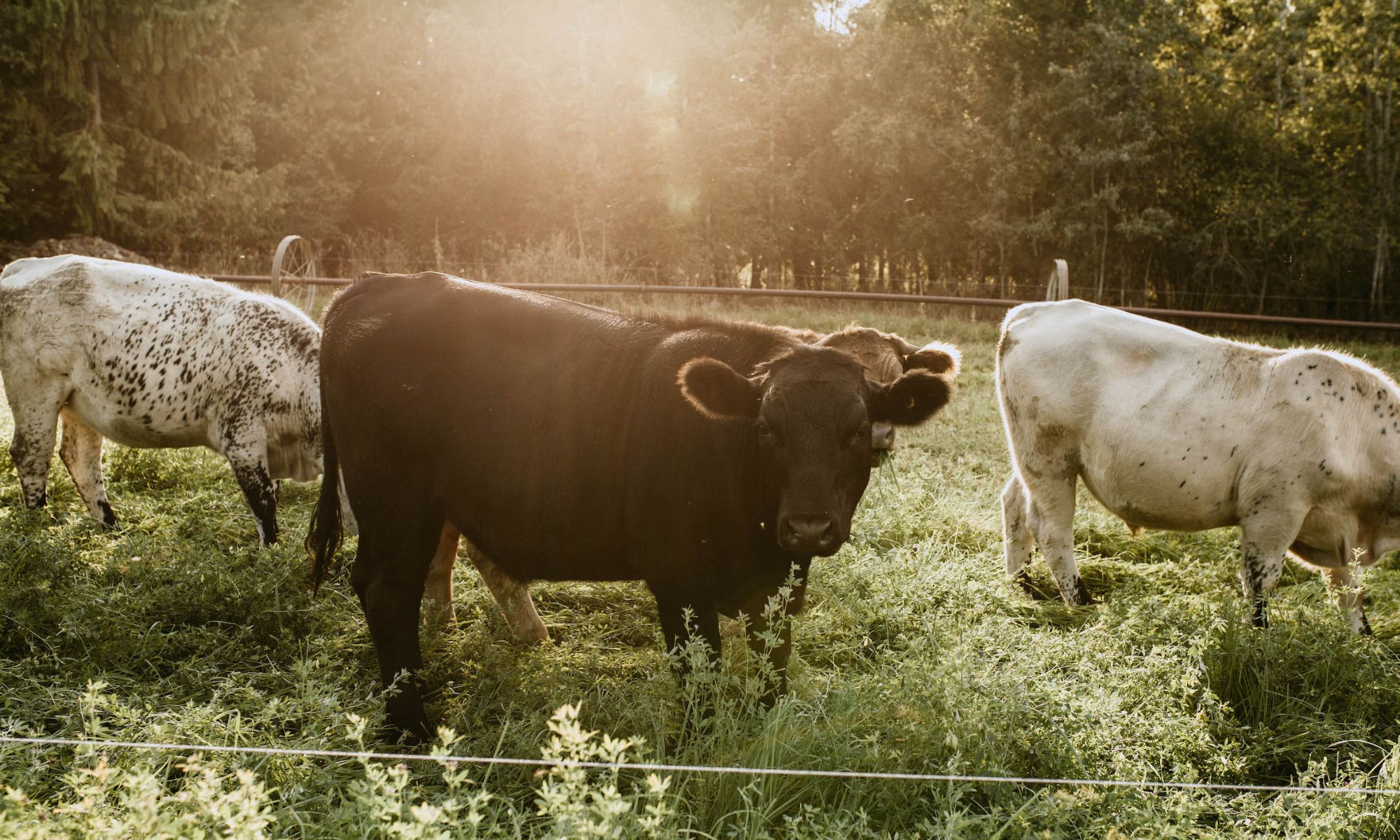
Good grazing plans protect the land and support the farm. Steve works with farmers to design practical grazing systems that improve pasture health, animal performance, and long-term resilience. His approach is based on real-world experience with pasture-based livestock in British Columbia, not theory alone.
Steve helps farmers move from continuous or reactive grazing toward intentional, planned rotations. The focus is always on timing, rest, and recovery. Pastures need time to regrow. Animals need consistent access to high-quality forage. A clear plan makes both possible.
Grazing plan guidance
Steve works one-on-one with farmers to build grazing plans that fit their land, livestock, and goals. This includes pasture layout strategies that make rotations simple to manage, even on irregular fields. Fencing layouts prioritize animal flow, regrowth protection, and ease of daily moves.
Rotational grazing plans are built around forage supply and seasonal growth patterns. Spring use, summer rotations, and fall recovery are planned so plants maintain leaf area and root reserves. This approach aligns with best practices outlined by the BC Forage Council and the Government of British Columbia Grazing Management Guide.
Steve also advises on mobile water and feed systems so livestock stay evenly distributed across pastures. Water placement reduces overuse of sensitive areas and lowers stress on animals. Feed and mineral placement support better grazing behavior and pasture utilization.

Infrastructure and equipment guidance
Effective grazing depends on the right tools. Steve provides recommendations for portable and semi-permanent fencing systems, with a strong focus on Gallagher electric fencing. These systems allow fast setup, reliable animal control, and flexible paddock design as conditions change.
Shelter and housing guidance is included for mixed-species farms. This covers mobile shelters, shade strategies, and poultry housing, including Rovabarn systems. The goal is simple structures that protect animals while keeping them on pasture and easy to move.

environmental planning
Healthy grazing plans protect water. Steve helps farmers design systems that reduce pressure on creeks, wetlands, and riparian zones. This may include fencing strategies, controlled access points, and off-stream watering systems that protect banks and improve water quality.
Plans consider drought, invasive plants, and long-term soil health. Rotational grazing is used as a tool to build organic matter, improve infiltration, and maintain plant diversity. These practices support both production and conservation goals.

Crown land and BC grazing plans
For farmers operating on Crown land, Steve can assist with grazing lease management planning. Grazing Lease Management Plans are required documents under the Range Act and the Forest and Range Practices Act. These plans outline stocking rates, Animal Unit Months, grazing schedules, and range improvements over the life of the lease.
Steve’s experience helps farmers translate provincial requirements into workable on-the-ground systems. Plans are built to meet regulatory expectations while still being practical to manage year after year.

A practical, adaptive approach
No two farms are the same. Steve’s grazing plans are designed to adapt over time as pasture conditions, herd size, and climate change. Monitoring and adjustment are built into every plan so farmers can respond to what the land is telling them.
The result is a grazing system that supports healthy pastures, calm animals, and a more resilient farm business.