
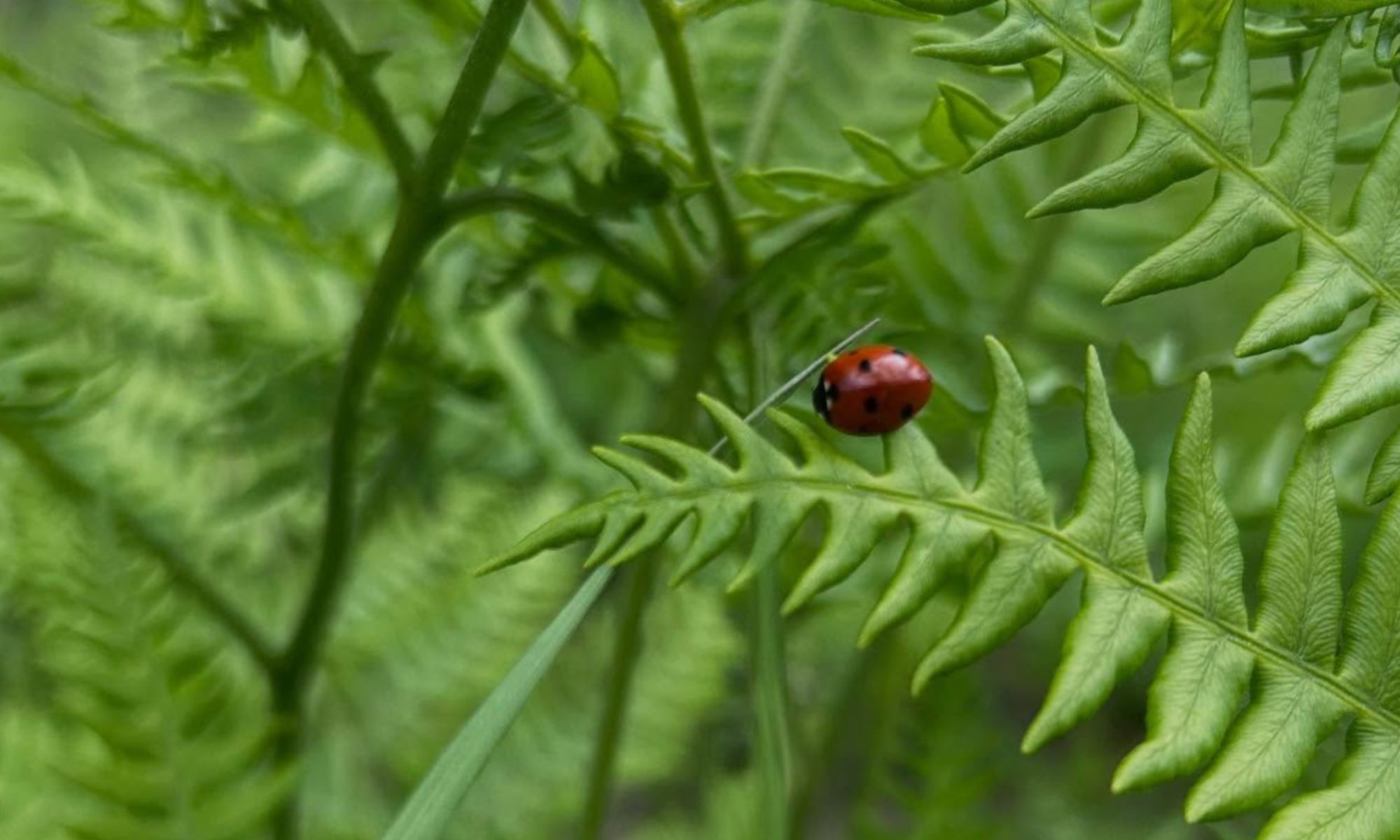
A healthy farm supports more than livestock. It also supports the living web around them. At Fresh Valley Farms, we manage our pastures, forests, and riparian areas so birds, pollinators, amphibians, and native plants can keep doing their jobs.
Biodiversity is not a “nice extra.” It helps a working farm stay steady over time. Diverse plant cover protects soil, improves water movement, supports pollinators, and creates checks and balances that help limit pests and disease.

What biodiversity looks like on our farm
We have more than one kind of farm space. Pasture fields, treed edges, wet areas, and creekside zones all play different roles. Each one provides food, shelter, nesting areas, travel corridors, and safe places for wildlife to raise young.

Native and Managed Pollinators
Pollinators are an important part of that picture. Honeybee hives from our partners at Wild Antho are often located on the farm, supporting pollination across pasture edges, hedgerows, and nearby crops.
These managed hives work alongside native pollinators to increase plant diversity, seed set, and overall ecosystem health. Healthy pollinator populations are a visible sign of a functioning farm landscape, and they connect our grazing systems to the wider food web beyond livestock alone.

We focus on three core habitat types.
Pastures with plant variety: We aim for diverse forage, not a single grass. Mixed pasture plants support soil life, spread risk during dry weather, and offer better habitat for insects and birds than a uniform stand.
Hedgerows and field edges: Shrubs, trees, and unmanaged edges act like habitat “highways.” They give cover from predators, places to nest, and flowers for pollinators at key times of year.
Riparian and wet areas: Creekside zones and wetter pockets hold water on the landscape. They also support unique plants and wildlife that do not thrive in open pasture.


Okanagan Similkameen Stewardship Society
Fresh Valley Farms is a registered Land Steward with the Okanagan Similkameen Stewardship Society. Their Wildlife Habitat Steward program recognizes landowners who care for important wildlife habitat while still using the land for farming and ranching, and it supports stewardship through advice, planning, and habitat enhancement work.
That matters to us because it fits our real goal: keep the farm productive while keeping the land functional as part of a bigger ecosystem.

Tracking biodiversity with citizen science
We do not rely on memory alone. We participate in citizen science projects, including iNaturalist, to document species on and around the farm over time.
iNaturalist helps people record observations of wild plants and animals, build species lists for places, and share data that can support research and conservation.
For us, it is a practical tool. It helps us notice changes, spot invasive species earlier, and understand what habitats are doing well.

How our day-to-day farming supports habitat
Biodiversity does not come from a single project. It comes from a lot of small choices that add up.
We manage grazing so plants can recover and keep leaf area. That supports stronger root systems and more ground cover. We avoid hammering the same areas for too long, and we treat sensitive zones with extra care.
We also work to keep habitat connected. A hedgerow that links to a riparian strip is more useful than isolated patches. Connected habitat helps wildlife move safely across the farm as seasons change.

What we are working toward
Our long-term aim is simple.
- More living roots in the soil
- More plant types across the farm
- More habitat structure along edges and waterways
- More documented species year over year
Farms can feed people and support wildlife at the same time. That is the kind of farm we are building.