
Soil health sits at the heart of everything we do at Fresh Valley Farms. It guides how we raise animals. It shapes how we manage our land. It even shapes the future we want for our kids. The BC Ministry of Agriculture recently featured our farm in a soil health case study, and we are honoured to share more about that work here.
Healthy soil is more than dirt. It is a living system that supports plants, animals, water, and people. Strong soil structure helps farms grow better grass, store more carbon, and handle dry and wet seasons. Our goal has always been to work with nature, not against it, to build soil that can support life for generations.
Where our soil work began
Our farm sits on two quarter sections outside Armstrong. Much of this land is forested. Some of it was logged or left unused for years before we began restoring it. Steve’s family has farmed part of this land since 1923, and we wanted to honour that history while improving the ground beneath our feet.
In 2019, we began a big shift. We moved from open grazing to tight, intentional rotational grazing. We started using electric fencing to move cattle more often. That simple change protected plants from overgrazing and helped grasses recover. Over time, we saw thicker roots, more diversity, and better growth across the fields.
How our animals support soil health
We raise cattle, pigs, chickens, and turkeys. Each species plays a role in building better soil.
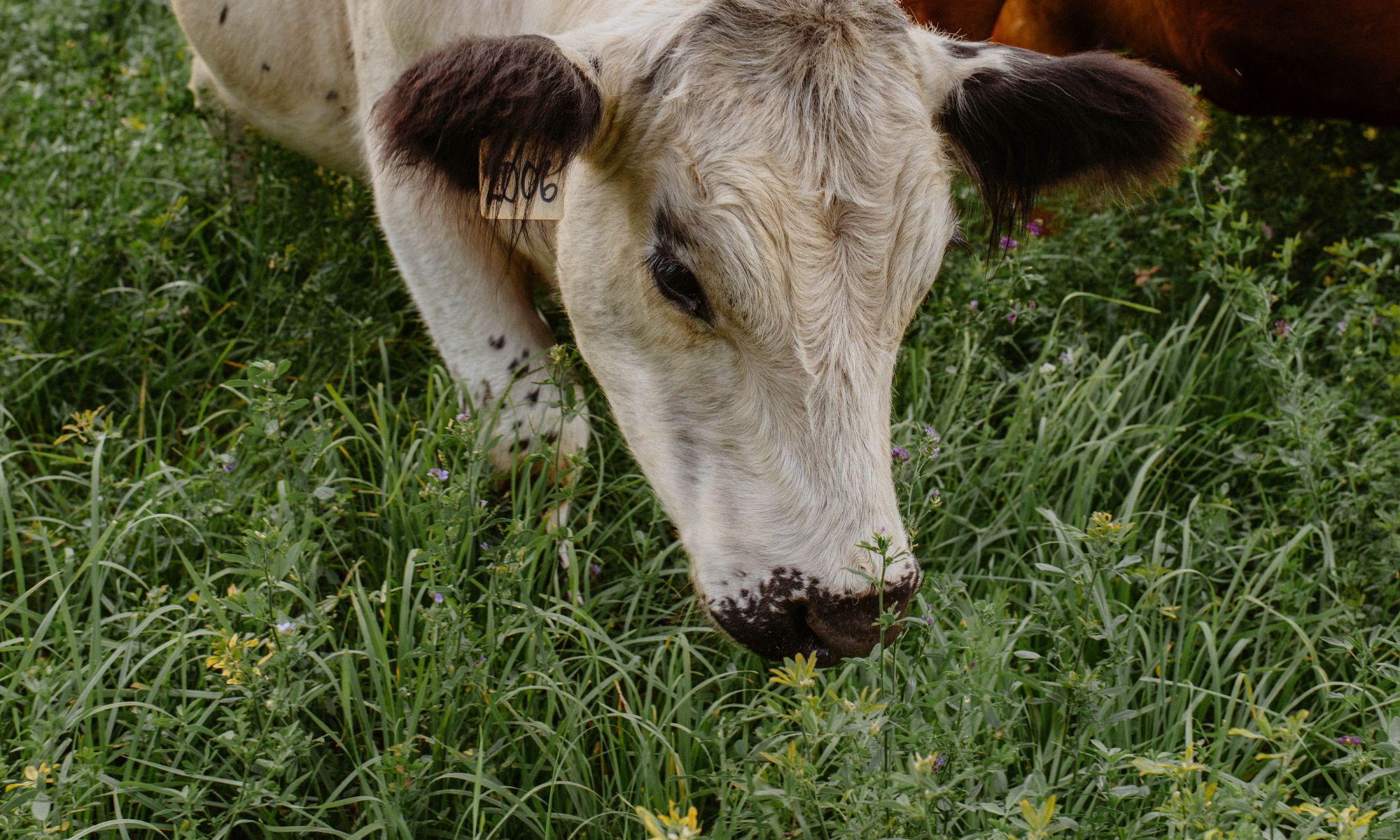
Cattle move through pasture in planned rotations. They graze an area once, leave it to rest, and return only when the plants have recovered. This protects plant crowns, supports root growth, and helps store carbon in the soil.
Pigs work on tougher land. They help break ground for cover crops and forage mixes. They spread manure, mix organic matter into the surface, and open up space for new growth.
Chickens and turkeys add fertility too. Their manure is high in nitrogen and helps create lush regrowth. In the main season, we use a mobile poultry shelter that moves across the pasture. This spreads nutrients evenly and keeps birds on clean ground.
When all of these species work together, the soil changes fast. We see stronger plants and more insects. We see better water-holding capacity. We see resilience.
Cover crops: feeding soil between grazing cycles
Cover crops play a big role on our farm. We plant blends of many species, including brassicas, clovers, and grasses. These protect the soil, reduce erosion, and feed soil microbes.
On land that was logged years ago, cover crops have been key to bringing fields back into production. They add organic matter. They soften compacted areas. They prepare the ground for future grazing.
When cattle graze these cover crops, they return nutrients to the soil. The result is more growth and healthier soil year after year.
Blending innovation with tradition
We use both old and new tools to do this work. We rely on experience passed down through the family. We also use new equipment, like a small no-till drill that lets us plant seeds without disturbing soil structure.
We built our own licensed poultry abattoir so we could process birds on the farm. That gives us better control over quality and animal welfare. It also reduces transport stress and keeps nutrients here on the land.
We use electric fencing for fast rotations. We also use a mobile poultry system that moves on its own. These tools help us care for the land while keeping animals safe and well.
What we’ve seen so far
We see visible improvements across the farm.
- Grass grows back thicker after grazing.
- Alfalfa stands last longer.
- Fields hold moisture better in summer.
- Pastures recover faster after drought.
We have also seen more wildlife using our pastures and forest edges. Birds, insects, and soil life thrive as plant diversity increases.
Soil tests support what we see. Organic matter is rising in fields that were poor a few years ago. Water infiltration is better. Root depth is stronger.
Why this work matters to us
This is not just about growing food. We live on this land. Our kids play here. We raise animals here. We want this place to stay healthy for another hundred years.
Healthy soil supports everything else we value: strong ecosystems, clean water, good animal welfare, and a food system that can stand up to climate change. When we improve soil, we build resilience.
Looking ahead
We are still learning. We try new methods every season. Some things work. Some things fail. But each year the land teaches us more.
We hope that by sharing our work, other farmers can take ideas that fit their land and grow from there. Small changes can make a big difference over time.
The BC Ministry of Agriculture soil health case study captured this part of our story. You can read the full case study here:
If you are curious about our farm, our grazing systems, or how we raise food, we’re always happy to share more.
Leave a Reply