
The term “certified organic” is regulated in British Columbia. It is not a marketing phrase or a loose promise. When meat is certified organic, it means the farm follows a legally defined production system that is inspected, documented, and verified every year.
Organic certification is regulated in Canada
In British Columbia, organic meat falls under the Canadian Organic Regime. This is a federal framework enforced by the Canadian Food Inspection Agency. Farms that sell meat as organic must comply with the Canadian Organic Standards and be certified by an accredited certification body.
Certification is not optional. If a farm uses the word “organic” in marketing, labeling, or sales, it must be certified and audited regularly.
Animals must be raised to organic standards for life
For meat to be certified organic, animals must be managed organically from birth or, in limited cases, from early life stages defined in the standards.
This means organic practices apply to the entire animal, not just the final months before slaughter. Feed, housing, health care, and pasture access are all regulated throughout the animal’s life.
Organic feed is required
Certified organic animals must be fed certified organic feed. This includes pasture, hay, silage, and any supplemental grains.
Organic feed is grown without synthetic fertilizers, herbicides, pesticides, or genetically modified organisms. Animal by-products are prohibited. This rule applies even during winter feeding or finishing periods.
Antibiotics and growth hormones are restricted
Routine antibiotics and growth-promoting hormones are prohibited in certified organic meat production.
If an animal becomes sick and requires antibiotics to prevent suffering, it must be treated. Animal welfare always comes first. However, once treated with prohibited medications, that animal can no longer be sold as organic meat.
This rule creates strong incentives for preventive health practices, low-stress handling, clean housing, and appropriate stocking densities.
Access to pasture and outdoor living is required
Organic standards require animals to have access to the outdoors and, when conditions allow, access to pasture.
For ruminants such as cattle, sheep, and goats, grazing is a central requirement. Animals must obtain a meaningful portion of their diet from pasture during the grazing season.
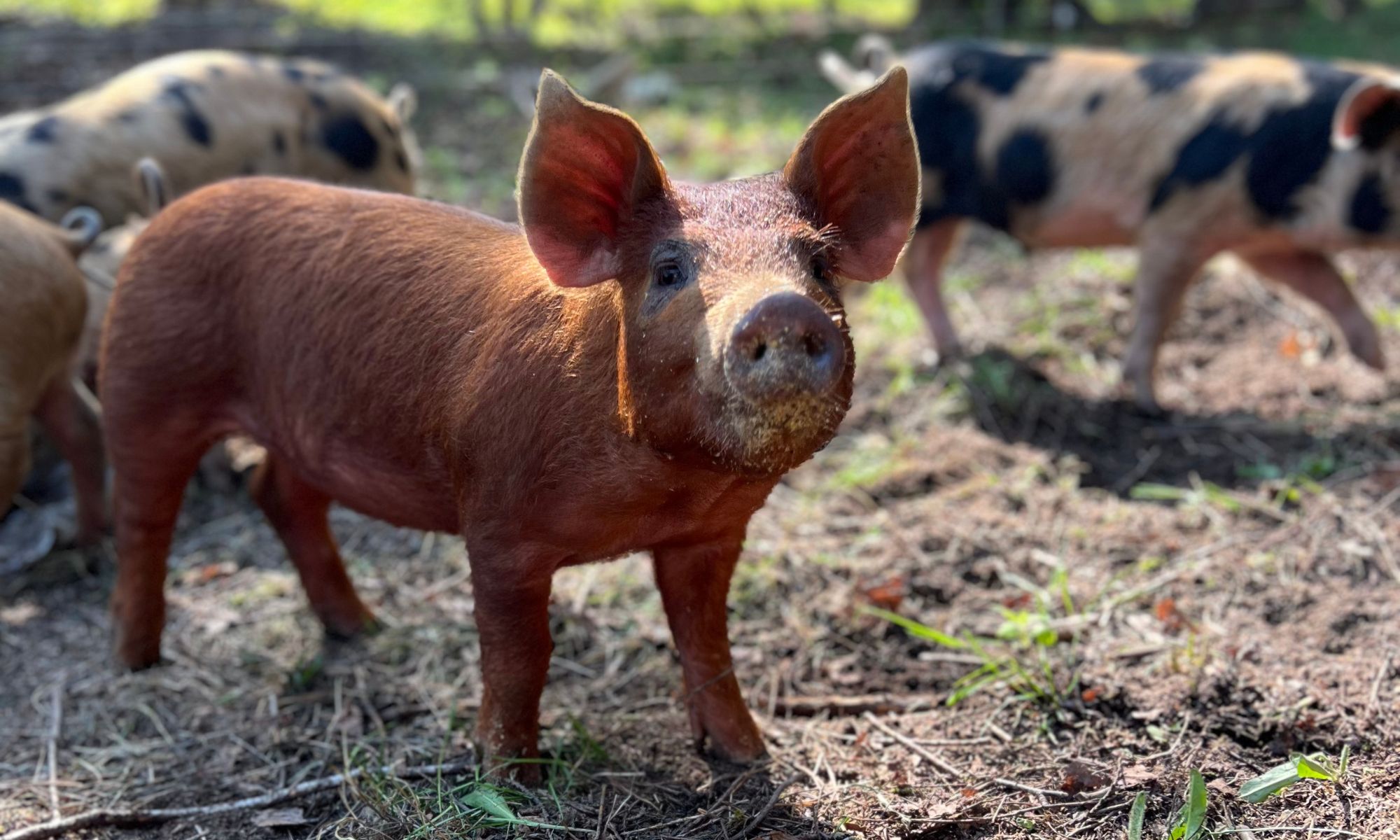
Pigs and poultry must also have outdoor access, space to move, and environments that support natural behaviors such as rooting, scratching, and dust bathing.
Living conditions are regulated
Organic certification includes rules about housing, bedding, space allowances, and cleanliness.
Animals must have enough space to lie down, stand up, turn around, and express normal behaviors. Bedding must be clean and, where applicable, organic. Continuous confinement is not allowed except in specific circumstances such as weather extremes or veterinary care.
Slaughter and processing are also controlled
Certified organic meat must be processed in facilities that prevent contamination with non-organic products.
This includes clear separation, cleaning protocols, traceability records, and labeling controls. Every step from farm to package must be documented so the meat can be traced back to the certified farm.
Annual inspections and paperwork are required
Organic certification is not a one-time approval. Farms are inspected at least once per year by a third-party certifier. This level of oversight is what makes organic certification meaningful rather than symbolic.
Inspectors review feed invoices, animal health records, pasture plans, stocking rates, slaughter records, and sales documentation. Surprise inspections can also occur. If a farm fails to meet the standards, certification can be suspended or revoked.
What certified organic does not automatically mean
Certified organic does not automatically mean grass-fed, pasture-finished, or local. Those are separate claims with their own definitions.
Organic standards focus on inputs, animal care, and system management. Some organic meat may include organic grain in the diet, depending on the species and production model. If a farm claims both organic and grass-fed, those claims must each be true and verifiable.
Why organic certification matters
Certified organic meat reflects a production system built around soil health, animal welfare, ecological balance, and transparency.
For consumers, certification provides assurance that claims are backed by inspection, standards, and accountability. For farmers, it creates a framework that rewards careful management rather than shortcuts.
Leave a Reply