
Regenerative farming is not just a style of agriculture. It is a systems-based approach focused on improving the land over time rather than simply maintaining it. While organic farming sets important rules about what cannot be used, regenerative farming goes further by asking what practices actively rebuild soil, ecosystems, and farm resilience.
Regenerative farming focuses on soil health first
At the core of regenerative farming is soil.
Healthy soil is alive. It contains bacteria, fungi, insects, and organic matter that work together to cycle nutrients, hold water, and support plant growth. Regenerative farms design their practices to feed this living system rather than replace it with synthetic inputs.
Practices such as diverse crop rotations, cover cropping, reduced tillage, and compost application all aim to increase soil organic matter. Over time, this improves soil structure, reduces erosion, and increases the soil’s ability to store both nutrients and carbon.
Livestock are integrated into the land, not separated from it
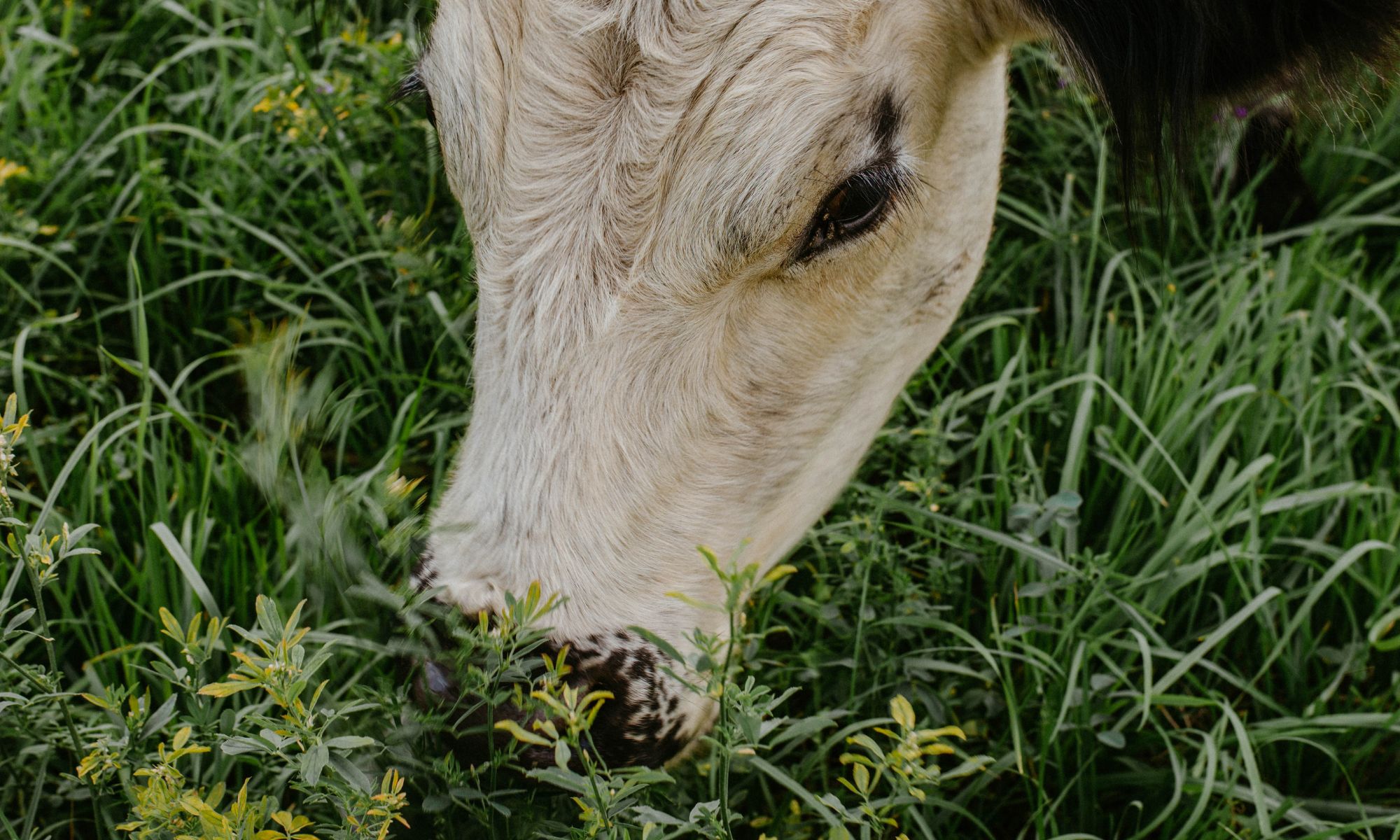
On regenerative farms, animals are part of the ecosystem rather than an external input. Well-managed grazing mimics natural grazing patterns. Animals move regularly across pasture instead of staying in one place. This allows plants time to recover, encourages deeper root growth, and distributes manure evenly across the land.
When done correctly, grazing animals stimulate plant growth, improve soil biology, and increase carbon storage in the soil. This approach is often called adaptive multi-paddock grazing or rotational grazing.
Regenerative farms emphasize diversity
Diversity is a strength in natural systems, and regenerative farms apply that principle intentionally. This includes plant diversity in pastures and fields, genetic diversity in livestock, and functional diversity in soil organisms. Diverse systems are more resilient to drought, pests, disease, and extreme weather.
Instead of relying on monocultures and chemical controls, regenerative farms build balance through complexity. That balance reduces the need for outside inputs over time. Inputs are reduced by design, not replaced one for one
Regenerative farming is not about swapping synthetic inputs for approved alternatives. It is about designing systems that need fewer inputs in the first place.
Healthy soil holds nutrients better. Diverse pastures suppress weeds naturally. Strong animals raised in low-stress environments get sick less often. Each improvement reduces reliance on fertilizers, pesticides, medications, and purchased feed.
This systems thinking is what separates regenerative farms from production models that simply change product labels without changing structure.
Animal welfare is central, not secondary
Regenerative farms prioritize animal welfare as a practical outcome, not just an ethical one. Animals are given space, fresh air, appropriate diets, and environments that allow natural behaviors. Low-stress handling and pasture-based living reduce illness and injury, which in turn reduces the need for medical intervention.
Healthy animals are not a coincidence. They are a result of thoughtful management that aligns animal needs with land capacity. Regenerative farms aim to leave land better than they found it
The defining difference of regenerative farming is the goal
Conventional agriculture often aims to maximize short-term yield. Even sustainable models sometimes aim only to reduce harm. Regenerative farms aim to improve soil, water, biodiversity, and ecosystem function year after year.
This long-term mindset influences every decision, from stocking rates to grazing timing to crop selection. Success is measured not just in production, but in improved land health over time.
Regenerative farming is defined by outcomes. Improved soil structure. Increased organic matter. Better water infiltration. Healthier plants and animals. Stronger ecosystems.
Many regenerative farms are also certified organic. Some are not. What matters most is whether the practices are rebuilding the land in measurable ways rather than extracting from it.
Why regenerative farms matter
Regenerative farms offer a pathway toward food systems that can adapt to climate stress, protect water resources, and support rural communities.
By rebuilding soil and ecosystems, these farms increase resilience instead of dependency. They show that food production does not have to be a tradeoff between feeding people and caring for the land.
Leave a Reply