
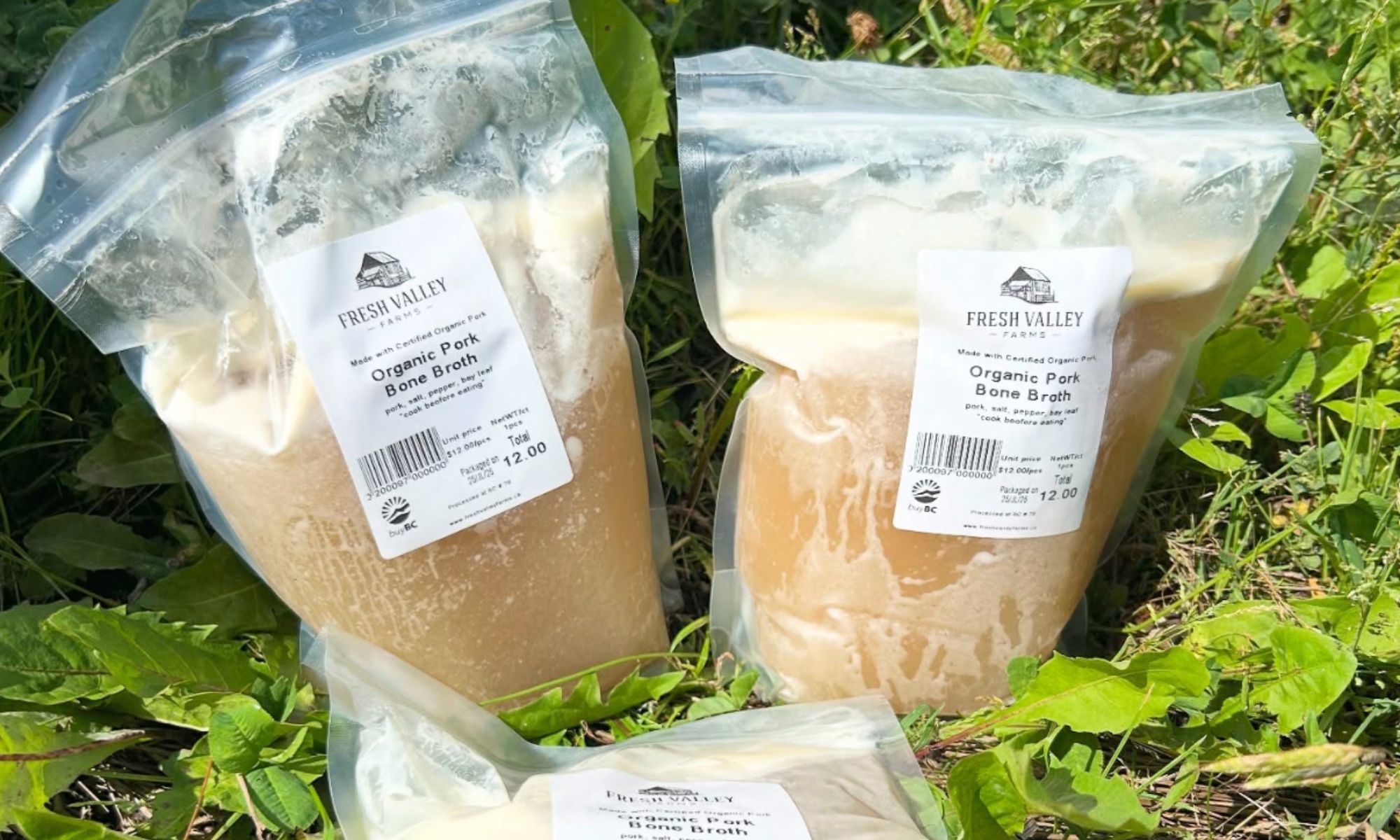
Gelatin is the hallmark of a well-made bone broth. When broth cools and turns jiggly, it is not a flaw. It is a sign that the broth was made properly, using the right bones, enough time, and gentle heat.
What gelatin is and where it comes from
Gelatin forms when collagen breaks down during cooking. Collagen is a structural protein found in connective tissue, cartilage, skin, tendons, and bones. When bones simmer slowly in water, collagen dissolves into gelatin.
This process takes time. It also requires moisture and moderate heat. Fast boiling or short cooking times do not allow collagen to fully convert. That is why quick broths stay thin, while long-simmered broths gel.
Why bones matter more than meat
The type of bones used determines whether broth will gel. Bones rich in connective tissue produce the most gelatin. These include knuckles, joints, feet, necks, backs, and marrow bones with cartilage attached.
Organic bone broth made with whole bones and joints contains far more collagen than broth made only with meat scraps. Chicken feet, beef shank bones, and pork hocks are especially high in collagen. This is why traditional broth recipes rely on these cuts.
Why pasture-raised bones gel better
Animals raised on pasture tend to develop stronger connective tissue. Movement, slower growth, and natural diets all contribute to denser bones and cartilage. That connective tissue is where collagen lives.
Certified organic systems also restrict synthetic inputs and growth promoters. While organic certification alone does not guarantee higher collagen, pasture-based organic systems often produce bones better suited for broth making.
The role of time and temperature
Gelatin forms slowly. Most bone broths need at least twelve hours of gentle simmering. Many benefit from twenty-four hours or more, especially beef broth.
Low heat matters. A steady simmer allows collagen to dissolve without breaking apart the proteins too aggressively. Rolling boils can damage gelatin structure and lead to cloudy or weak broth.
Why vinegar helps but does not create gelatin
Many broth recipes include apple cider vinegar. Vinegar helps dissolve minerals from bones, such as calcium and phosphorus. It does not create gelatin on its own.
Gelatin comes only from collagen. Vinegar supports the process but cannot replace long cooking times or proper bones. Broth made without vinegar can still gel if collagen levels are high enough.
What gelling means for nutrition
Gelatin-rich broth contains amino acids such as glycine, proline, and hydroxyproline. These amino acids support connective tissue, joint health, and gut lining integrity. Early research suggests gelatin may support digestion and help balance inflammatory responses, though more studies are ongoing.
A broth that gels is more nutrient-dense than a thin broth made quickly. The texture reflects what has been extracted from the bones.
Why gelled broth turns liquid when heated
Gelatin melts when warmed. A gelled broth will return to liquid as soon as it is heated. This is normal and expected.
The gel will reset again when cooled. That cycle can repeat many times without harming the broth.
How to tell if broth quality is high
A firm gel when cold suggests high collagen extraction. A clean flavour and clear appearance suggest careful cooking and good-quality bones.
Cloudy broth or weak gel usually points to rushed cooking, insufficient bones, or bones that lacked connective tissue. It does not necessarily mean the broth is unsafe, but it may be less nourishing.
Leave a Reply