
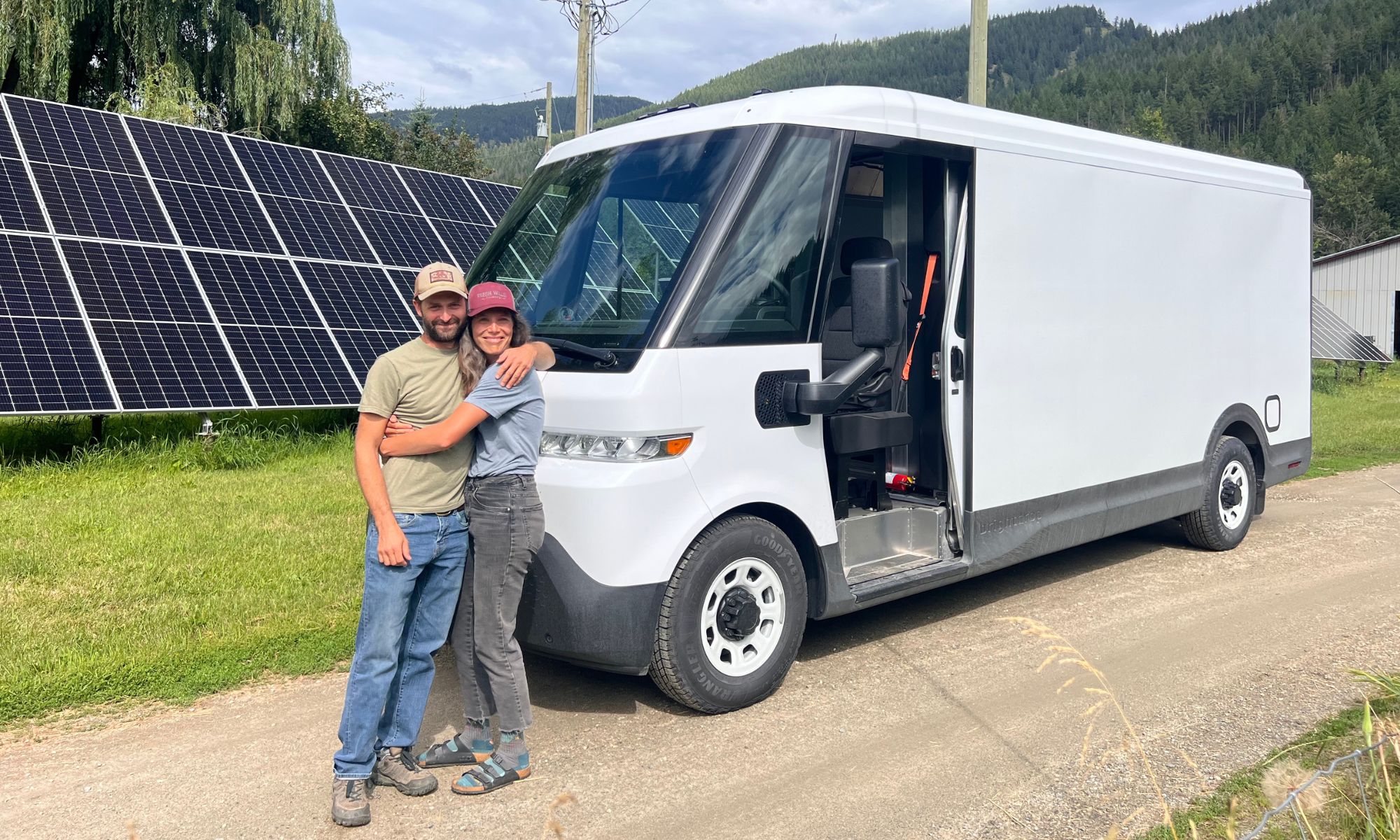
Renewable energy is a main part of how the farm functions day to day. We use clean, on-farm power to support livestock care, grazing systems, and infrastructure while reducing fossil fuel use and long supply chains. The goal is steady, practical energy that works with the land instead of against it.
renewable energy in agriculture
Modern farming depends on electricity and fuel. Water systems, fencing, lighting, ventilation, monitoring equipment, and housing all require power. When that power comes from distant grids or diesel generators, farms become vulnerable to outages, rising fuel costs, and supply disruptions.
Renewable energy improves resilience. Power generated on site keeps essential systems running and reduces dependence on external inputs. It also lowers emissions and aligns with responsible land stewardship.

Solar power on the farm
Fresh Valley Farms operates an on-site solar panel array that supplies clean, reliable electricity for daily farm operations. The array is designed to meet real working needs, not just offset power on paper. It provides energy for fencing systems, water infrastructure, livestock housing, and monitoring equipment, reducing reliance on grid power and fossil fuels.
The panels are positioned to maximize sun exposure across the grazing season, when energy demand is highest. Power is generated close to where it is used, which limits transmission loss and keeps critical systems running even during outages. This is especially important for pasture-based farms, where infrastructure is spread across large areas and reliability matters.
The solar array supports mobile and off-grid systems across the farm. It powers equipment that moves with the animals, including fencing and housing, without the need for generators or fuel deliveries. This keeps noise low, reduces emissions, and allows the farm to stay flexible as paddocks change and pastures recover.
Over time, the array also stabilizes energy costs. Once installed, solar power provides predictable output with minimal maintenance. That consistency allows the farm to invest more confidently in soil health, animal care, and long-term infrastructure rather than fluctuating energy bills.

Electric Delivery
Fresh Valley Farms uses an electric delivery van to bring meat directly from the farm to customers with a lower environmental footprint. This vehicle replaces a traditional gas or diesel delivery truck and cuts emissions on every delivery route.
The van is well suited to local and regional distribution. Most deliveries happen within our defined service area, which makes electric range predictable and reliable. Charging is done on site, often using power generated by the farm’s solar array, which further reduces dependence on fossil fuels.
Using an electric vehicle also improves the quality of farm delivery to residential areas. The van is quiet, produces no exhaust, and operates smoothly in residential areas. This matters when delivering to markets and pickup locations where noise and emissions affect neighbors and customers.
From an operations standpoint, the electric van lowers long-term costs. Fewer moving parts mean less maintenance, and electricity is more stable in price than fuel. Those savings help keep direct-to-consumer pricing fair while supporting investments in animal care, pasture management, and renewable infrastructure.

Solar-powered livestock housing
Fresh Valley Farms uses solar-powered, mobile livestock housing to keep animals on pasture while providing shelter, ventilation, and protection from predators and weather. One example is our robotic chicken housing system, the ROVABarn, developed by UKKO Robotics. This system is designed specifically for pasture-based poultry systems that rely on frequent movement and low-impact grazing.
The ROVABarn is powered by on-board solar panels that generate the electricity needed for daily operation. Solar energy runs automated movement, ventilation, lighting, and monitoring systems, allowing the barn to relocate regularly without fuel, generators, or grid connections. Each move places animals on fresh ground, supporting rotational grazing and reducing pressure on soil and vegetation.
Because the barn moves with the flock, pasture recovery happens naturally. Nutrients are distributed evenly, compaction is minimized, and birds remain integrated into the landscape rather than confined to a fixed structure. Solar power makes this mobility reliable and quiet, avoiding exhaust, noise, and mechanical disruption.
By using solar-powered robotic housing from UKKO Robotics, Fresh Valley Farms combines animal comfort, pasture health, and renewable energy in a single system. The result is a resilient approach to livestock housing that supports regenerative grazing while keeping animals outdoors, protected, and part of a living pasture ecosystem.

Renewable-powered electric fencing
Rotational grazing depends on fencing that works every time. Reliable fencing improves animal behavior, pasture health, and labor efficiency.
Solar-powered electric fencing allows paddocks to be set quickly and adjusted often. Fences remain effective even in remote fields with no grid access. This supports precise grazing management and protects regrowth during recovery periods.

Passive solar greenhouse
Renewable energy on our farm is about using what the land already offers. Our greenhouse is designed around passive solar gain and geothermal temperature regulation.
Sunlight provides the primary energy input. During the day, solar heat is captured inside the structure and stored in the surrounding earth. That stored warmth is slowly released as temperatures drop, keeping the growing space stable through cold nights and deep winter conditions. In summer, the same geothermal system helps moderate excess heat, preventing temperature spikes without relying on mechanical cooling.
Air circulation fans move warm and cool air evenly throughout the space, improving plant health and reducing humidity issues. These systems use very little electricity and replace what would otherwise require fossil fuel heating, propane, or electric resistance systems.
Because the greenhouse relies on low-grade geothermal energy and passive design, it can operate year-round, even in extreme temperatures, with a fraction of the energy input of conventional greenhouses. There is no combustion, no exhaust, and no constant fuel supply to manage. Once built, the system runs quietly and predictably, regardless of weather.

Water systems and renewable energy
Livestock need consistent access to clean water. Solar power supports pumps and distribution systems that move water to where animals are grazing. This reduces the need for permanent water infrastructure and protects sensitive areas such as streams and wetlands from overuse.
Water and energy systems work together to support both livestock health and environmental protection.

Reducing overall energy demand
Renewable energy works best when paired with low energy use. Pasture-based farming reduces fuel needs across the operation.
Animals harvest their own feed. Manure stays where it falls. Equipment passes are minimized. There is no need for energy-intensive feedlots or large-scale manure handling systems. Lower demand means renewable systems can cover a larger share of total energy needs.

Environmental impact
Using renewable energy lowers greenhouse gas emissions associated with farming. Solar power replaces diesel generators and grid electricity tied to fossil fuels. Fewer fuel deliveries and machine hours reduce emissions further. Cleaner energy also means quieter operations and better air quality for animals and people. These benefits extend beyond the farm boundary and contribute to healthier rural landscapes.

Long-term resilience and planning
Renewable energy supports long-term decision making. Solar systems have predictable output and low maintenance requirements. Once installed, energy costs stabilize. This allows the farm to plan confidently and invest savings into soil health, infrastructure, and animal care. Energy independence strengthens the entire operation.

Part of an integrated system
Renewable energy does not stand alone. It supports rotational grazing, pasture-based livestock systems, low-stress handling, and biodiversity stewardship. Each system reinforces the others, creating a farm that is efficient, resilient, and grounded in ecological balance.
At Fresh Valley Farms, renewable energy is not a trend. It is a practical tool for building a durable farming system that works today and remains viable for the future.