
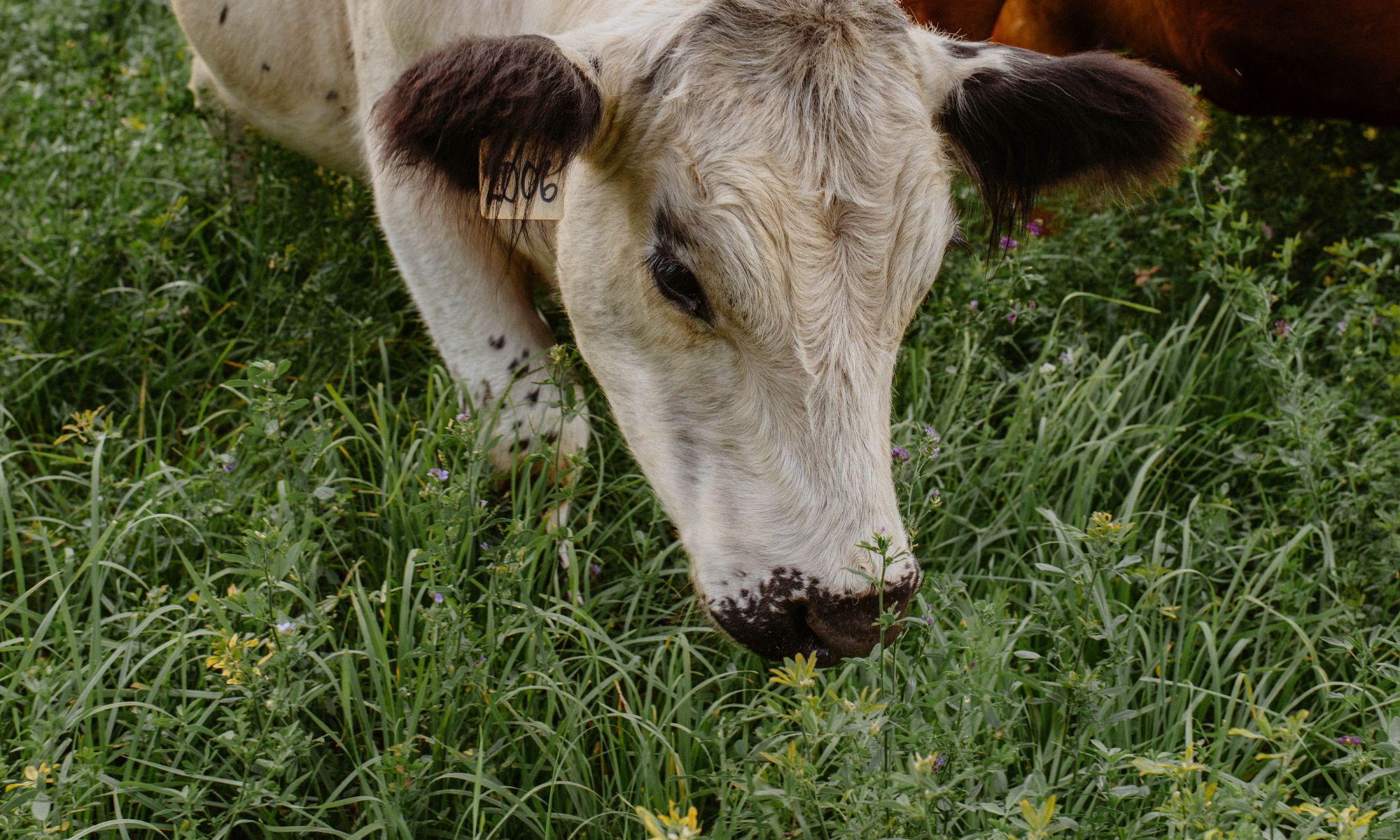
Food is not all the same. Two pieces of beef can look identical and nourish you very differently.
At Fresh Valley Farms, we farm for nutrient density. That means we focus on how food is grown, not just what it is called. Our goal is to raise meat and eggs that are naturally rich in minerals, healthy fats, and beneficial compounds because the land, animals, and systems behind them are healthy. This approach starts in the soil and continues all the way to your plate.

What nutrient density really means
Nutrient density describes how many beneficial nutrients are packed into food, relative to its size or calories. It includes things like minerals, vitamins, fatty acids, antioxidants, and other compounds that support human health.
Research from the Bionutrient Institute shows that food can vary widely in nutrient density, even within the same type of food. Two carrots. Two heads of lettuce. Two cuts of beef. One can contain many times more nutrients than the other depending on how it was grown.
Labels alone do not tell this story. Management does. That is why we focus on the conditions that allow plants and animals to develop deeper nutrition naturally.

Why soil health comes first
Healthy food begins with living soil. Soil is not just dirt. It is a living ecosystem made up of microbes, fungi, minerals, organic matter, water, and air. When soil life thrives, plants are better able to access nutrients. When plants are healthy and diverse, animals grazing those plants receive a broader range of nutrition.
On our farm, soil health guides every decision we make.
We build soil by:
- Keeping living roots in the ground as much as possible
- Avoiding synthetic fertilizers, herbicides, and pesticides
- Reducing soil disturbance
- Returning organic matter back to the land
Healthier soil supports stronger pasture plants, better water retention, and more resilient forage during drought or heavy rain. Over time, this creates food that is more nutritionally complete.

Why our animals are raised on pasture
Animals raised on pasture eat living plants, not formulas. Cattle, pigs, chickens, and turkeys at Fresh Valley Farms spend their lives outdoors, moving across fields and forest edges. Their diets are shaped by grasses, legumes, herbs, and seasonal forage rather than grain-heavy rations. This matters for nutrient density.
Pasture-based diets are linked to:
- Higher levels of omega-3 fatty acids
- Better omega-6 to omega-3 balance
- Greater diversity of fat-soluble compounds
- Healthier animal metabolism
Diverse forage creates more complex nutrition in meat and eggs. The diversity above ground shows up in the food itself.

Rotational grazing and nutrient cycling
We use planned rotational grazing across the farm.
Cattle are moved frequently using mobile electric fencing. They graze an area once, fertilize it naturally, and then move on. Pastures are rested long enough for plants to fully recover before animals return.
Pigs are managed with mobile fencing as well. They are used intentionally on tougher ground, where their rooting helps prepare land for new forage or cover crops.
Poultry follow grazing animals in mobile housing systems, including a robotic pasture poultry barn during the growing season. This spreads fertility evenly and keeps birds on fresh ground.
This system matters for nutrient density because it:
- Protects plant roots and soil structure
- Builds organic matter and soil carbon
- Encourages deeper root systems
- Improves mineral availability in forage
Healthy pastures grow back stronger. Stronger pastures grow more nutritious feed. That nutrition flows into the animals and into the food you eat.

Certified organic management
Fresh Valley Farms is certified organic.
That means:
- No synthetic fertilizers
- No synthetic herbicides
- No synthetic pesticides
- No genetically modified organisms
Organic management protects soil biology and microbial life. These microbes help unlock minerals and move nutrients from soil into plants. When that chain is broken by harsh chemicals, food quality suffers even if yields look good.
Organic certification is not about perfection. It is about protecting the biological systems that support long-term food quality.

Cover crops and green manure
We use cover crops to feed the soil between grazing cycles. Cover crop blends may include grasses, clovers, brassicas, and other species depending on the field and season. These plants protect soil from erosion, feed microbes, and add organic matter back into the ground.
Some cover crops are grazed. Others are terminated and left to decompose. Both approaches build soil structure and nutrient reserves. Over time, this reduces the need for external inputs and increases the natural fertility of the land.

On-farm composting
We operate an on-site composter that turns farm waste into a soil-building resource. Manure, bedding, and organic residues are carefully composted and returned to fields where needed. Compost adds stable organic matter and supports soil microbial diversity.
This closes nutrient loops on the farm and reduces reliance on outside inputs. Nutrients stay where they belong, in the soil that grows our food.

Water protection and land stewardship
Healthy soil protects water. Soils rich in organic matter absorb and hold water better. This reduces runoff, erosion, and nutrient loss into groundwater and surface water.
Our practices help:
- Slow water movement across fields
- Improve infiltration during heavy rain
- Reduce nutrient leaching
- Protect nearby waterways
Clean water and healthy soil go hand in hand. Both are essential for long-term food quality.

Infrastructure that supports nutrient density
Our farm infrastructure is designed to support these systems.
- Mobile fencing allows precise grazing control.
- The robotic poultry barn spreads fertility evenly across fields.
- The on-farm poultry abattoir reduces animal transport stress and keeps nutrients on the land.
- The composter returns nutrients back to the soil.
We also maintain wild areas, forest edges, and pollinator habitat, including native plant zones and wild bee nesting areas. These spaces support biodiversity and ecosystem health across the farm.
Each piece works together. Nutrient density does not come from one tool. It comes from systems.

What this means for the food you buy
When you buy from Fresh Valley Farms, you are buying food shaped by living systems.
Our beef is:
100% grass-fed and grass-finished
Raised on diverse pastures
Managed with soil health in mind
Our pork is:
Pasture-raised
Forage-supported
Integrated into land restoration
Our poultry and eggs come from birds:
Raised outdoors
Moved regularly onto fresh ground
Fed diets supported by healthy soil
Our bone broth reflects the mineral richness of animals raised on healthy land.
We do not claim perfection. Farming is complex. Weather changes. Seasons vary. But our focus stays the same: build soil, support animals, and let nutrient density emerge naturally.

The importance of nutrient density
Nutrient-dense food supports human health, animal health, environmental resilience, and future generations.
We farm this way because we live here. Our kids play on this land. We want it to remain productive and healthy for decades to come.