
Author: Fresh Valley
-
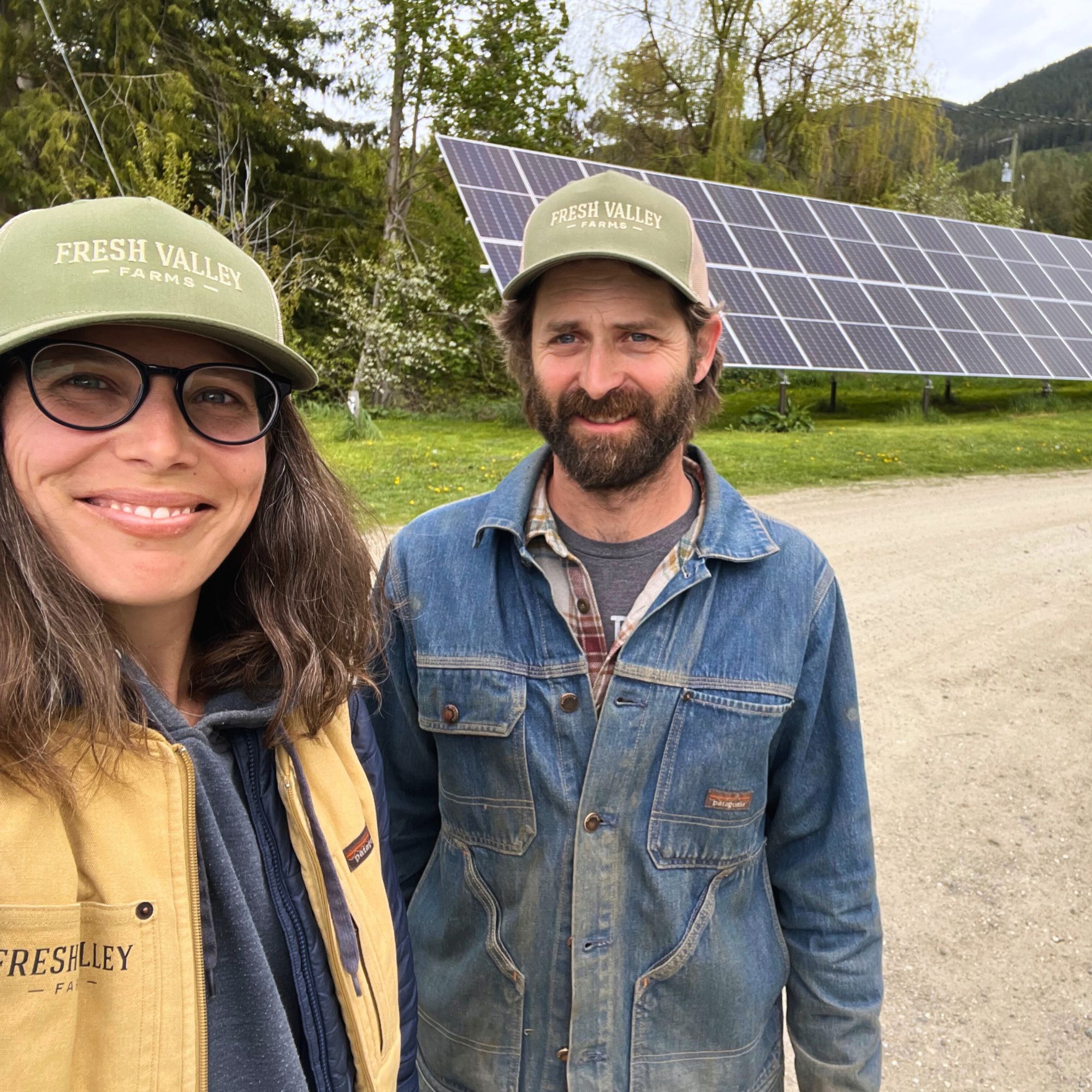
Moving the farm toward renewable energy
Farming depends on energy. We believe it should depend less on fossil fuels. At Fresh Valley Farms, we are steadily moving our operation toward renewable energy wherever it makes practical sense. This is not about perfection. It is about making thoughtful, long-term choices that reduce emissions, protect our land, and support a healthier food system. One of the most visible steps we have taken is switching to an electric delivery vehicle powered by solar energy. Our solar panels generate the electricity used to charge our delivery van, allowing us to move food from farm to community with dramatically lower emissions.…
-
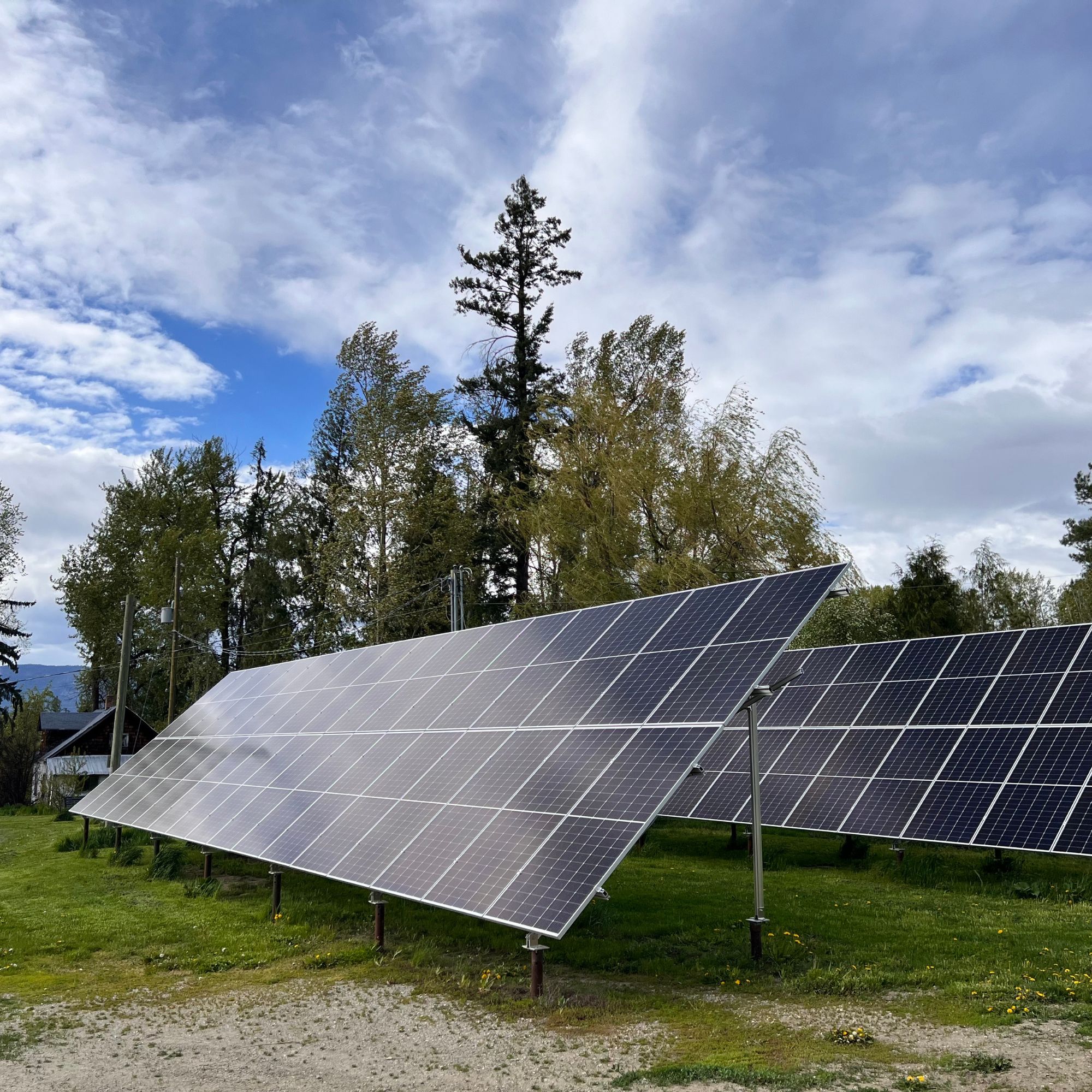
New Solar Panel Array at Fresh Valley Farms
Fresh Valley Farms recently installed a large new solar array that will power much of our daily farm work, from buildings and equipment to how we deliver food to our customers. The panels sit right here on the farm and are designed to generate a significant portion of our electricity needs. That means fewer fossil fuels, lower operating emissions, and more control over how our energy is produced. For a working organic livestock farm, energy use matters. Cold storage, processing, packing days, and deliveries all add up. This system helps us meet those needs while staying aligned with our values.…
-
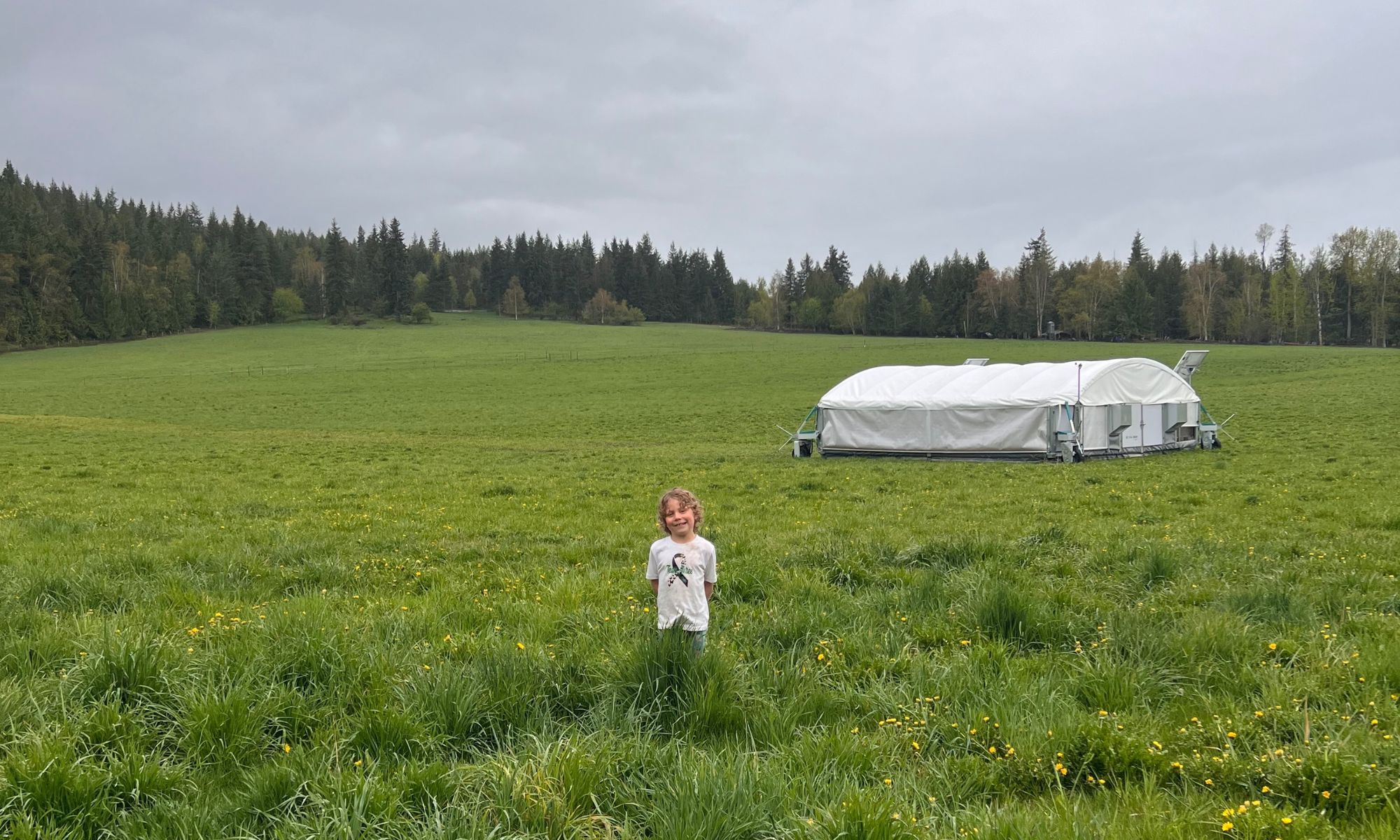
Meet ROVABarn, Our New Solar-Powered Robotic Mobile Chicken Shelter
A new piece of equipment has rolled onto our pastures that marks a big step forward for how we raise certified organic poultry. After months of planning, learning, and watching from afar, our ROVA Barn has arrived at Fresh Valley Farms. This solar-powered, mobile poultry barn allows us to keep birds on fresh pasture while providing consistent shelter, ventilation, and protection. It supports the kind of rotational grazing system we already use across the farm, and it fits directly into our long-term goals around animal welfare, soil health, and renewable energy. What the ROVA Barn is, and why we chose…
-
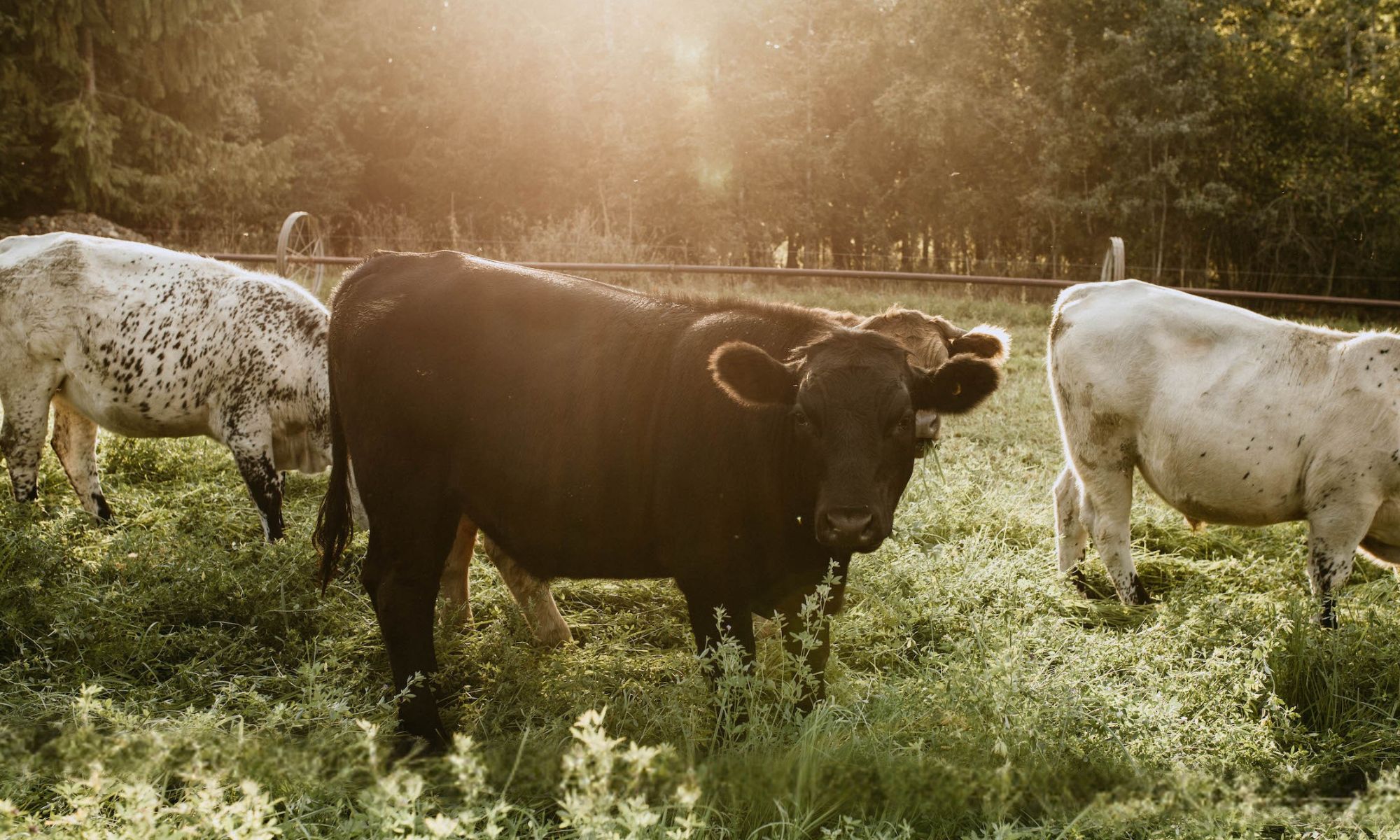
Grass-fed vs grain-fed beef explained
The difference between grass-fed and grain-fed beef starts long before the meat reaches your kitchen. It begins with how cattle are fed, how long they are raised, and how those choices shape flavour, nutrition, and texture. Cattle diet Grass-fed beef comes from cattle that eat grass and forage for their entire lives. When beef is both grass-fed and grass-finished, the animals stay on pasture right up to processing. Grain-fed beef usually comes from cattle that begin on pasture, then are finished on a grain-based diet such as corn or barley to promote faster weight gain and more marbling. This distinction…
-

Introducing our EcoDrum In-Vessel On-Site composter
Fresh Valley Farms now operates a commercial EcoDrum system on the farm. It is a large, enclosed, rotating composter designed for production-scale farms and food processors. While it may not look as exciting as a new barn or greenhouse, it plays a critical role in how we manage nutrients, biosecurity, and environmental impact. On a mixed livestock farm, organic by-products are unavoidable. Poultry processing, egg handling, and general farm operations all generate material that needs to be managed carefully. In the past, this often meant hauling waste off-site or relying on open compost systems that are weather-dependent, labor-intensive, and harder…
-
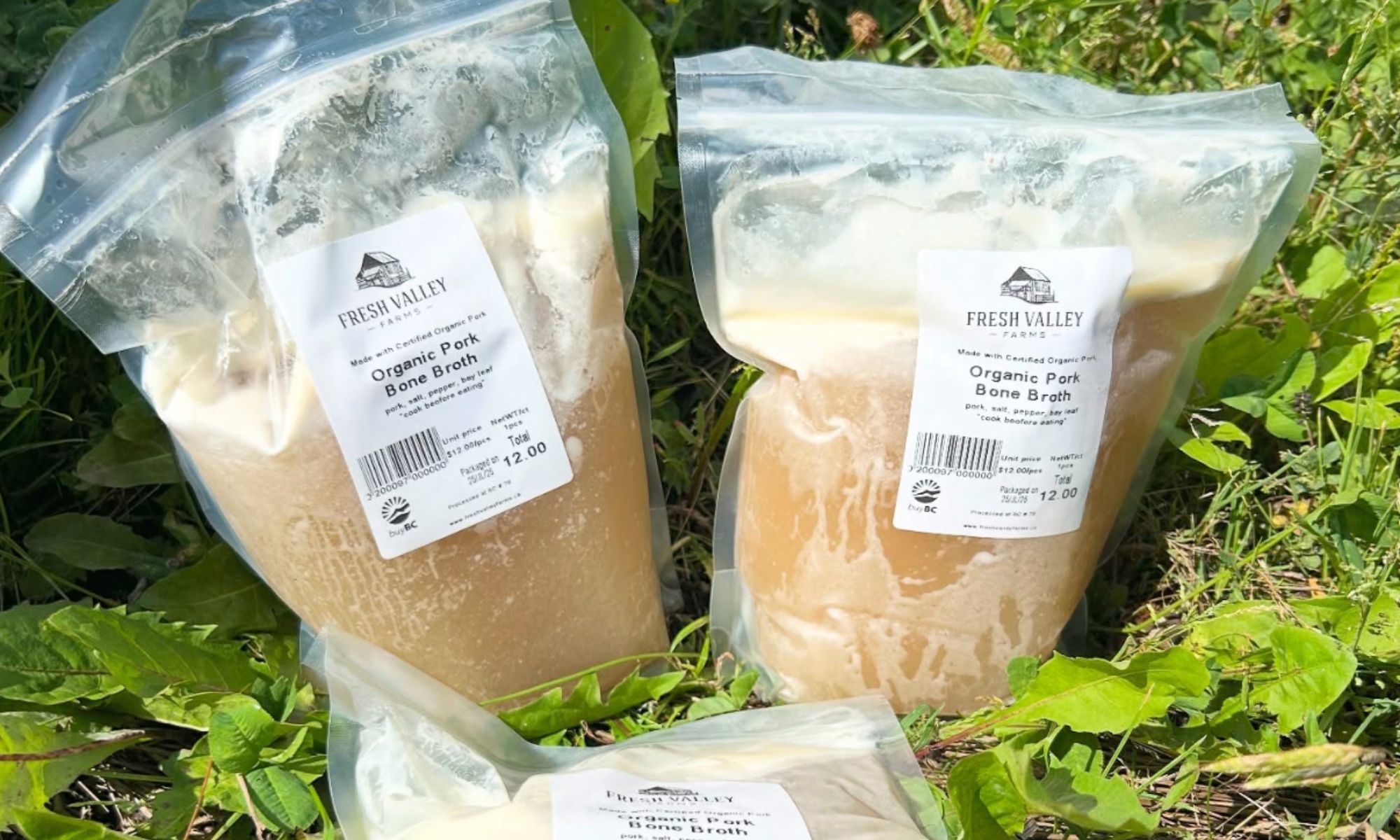
Why organic bone broth gels
Gelatin is the hallmark of a well-made bone broth. When broth cools and turns jiggly, it is not a flaw. It is a sign that the broth was made properly, using the right bones, enough time, and gentle heat. What gelatin is and where it comes from Gelatin forms when collagen breaks down during cooking. Collagen is a structural protein found in connective tissue, cartilage, skin, tendons, and bones. When bones simmer slowly in water, collagen dissolves into gelatin. This process takes time. It also requires moisture and moderate heat. Fast boiling or short cooking times do not allow collagen…
-
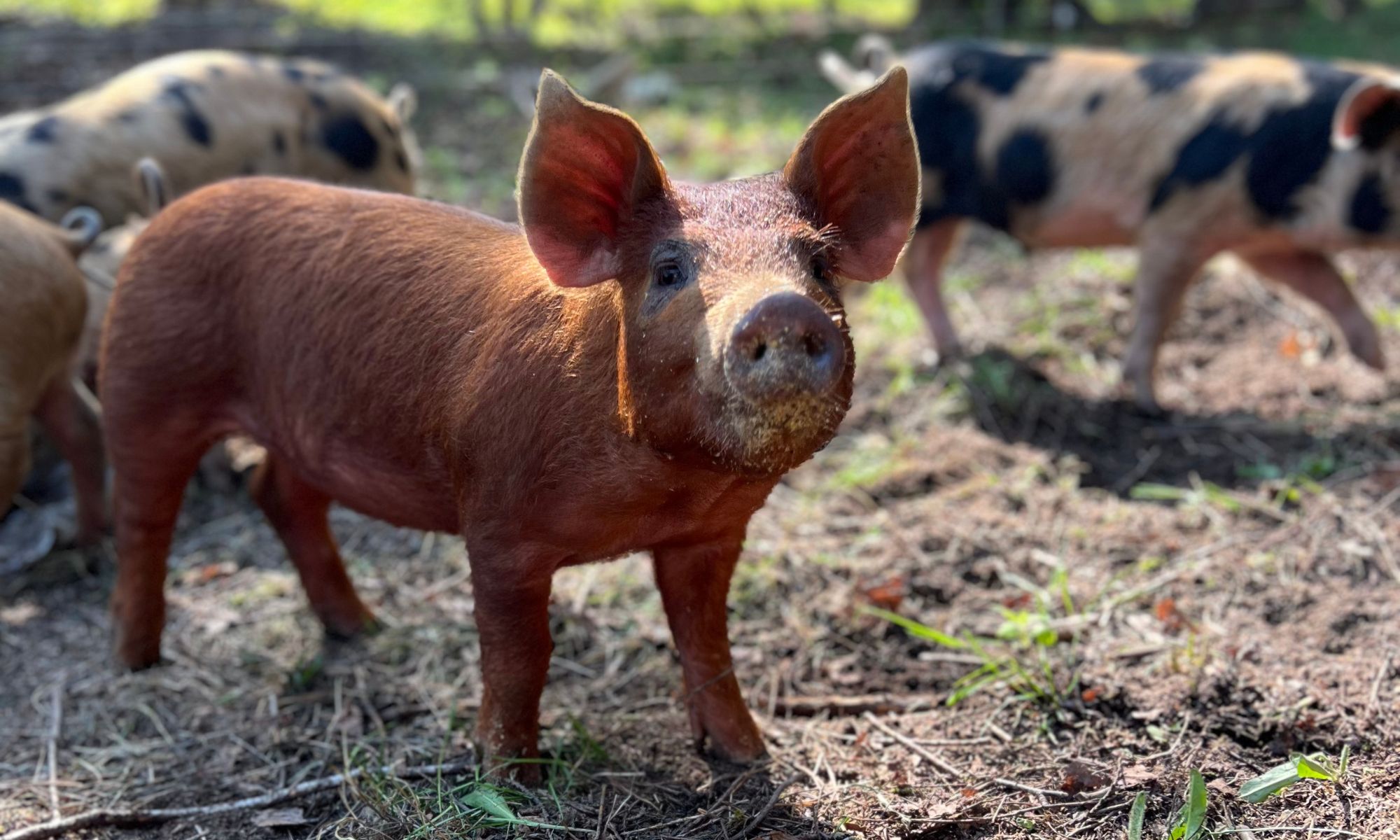
What does certified organic meat mean in British Columbia?
The term “certified organic” is regulated in British Columbia. It is not a marketing phrase or a loose promise. When meat is certified organic, it means the farm follows a legally defined production system that is inspected, documented, and verified every year. Organic certification is regulated in Canada In British Columbia, organic meat falls under the Canadian Organic Regime. This is a federal framework enforced by the Canadian Food Inspection Agency. Farms that sell meat as organic must comply with the Canadian Organic Standards and be certified by an accredited certification body. Certification is not optional. If a farm uses…
-

Mothers Day 2021
There are many silly turkeys in this picture, but only one silly turkey who makes Annelise such a proud mom! Happy Mothers Day to all of the wonderful mothers in our lives, who help to nourish and care for us all, often doing the majority of the lowest paid or least recognized work (ie the housework). We had a beautiful mothers day showing our gratitude to our moms (and, in Annelise’s case, also receiving gratitude herself). Starting the week off feeling excited for all that the coming seasons may bring!
-
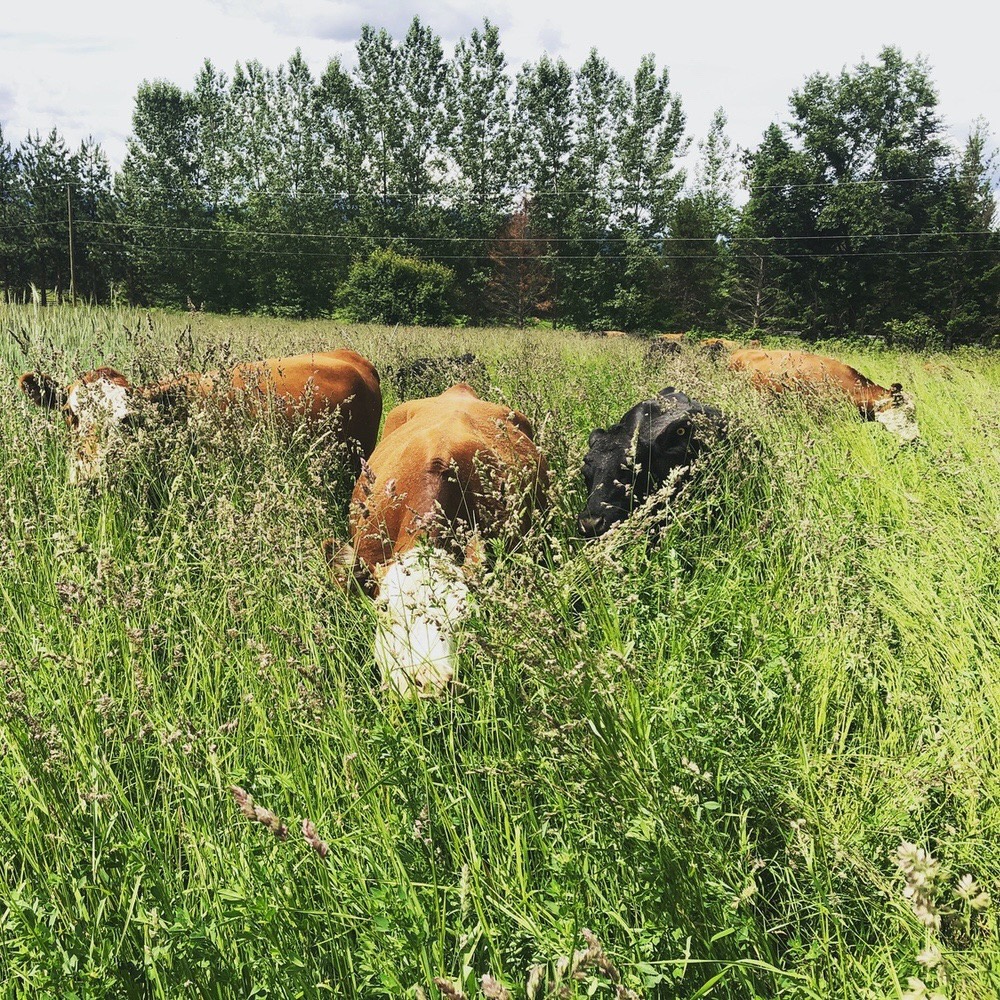
Hiring Summer Farm Hands
Looking for an enthusiastic young farmer to join us for the summer! Interested in animal husbandry, local food safety, rotational grazing, and building a direct-marketing livestock business? Want to learn more about organic animal agriculture? Read on to see what kinds of work you could expect to do on the farm this summer. Farm Hand Jobs Available If you’re reading this post hopefully you were grabbed by the title about us hiring one or more farm hands to help us around the farm this summer. We are looking for farm workers who are enthusiastic about agriculture, and want to learn more…
-
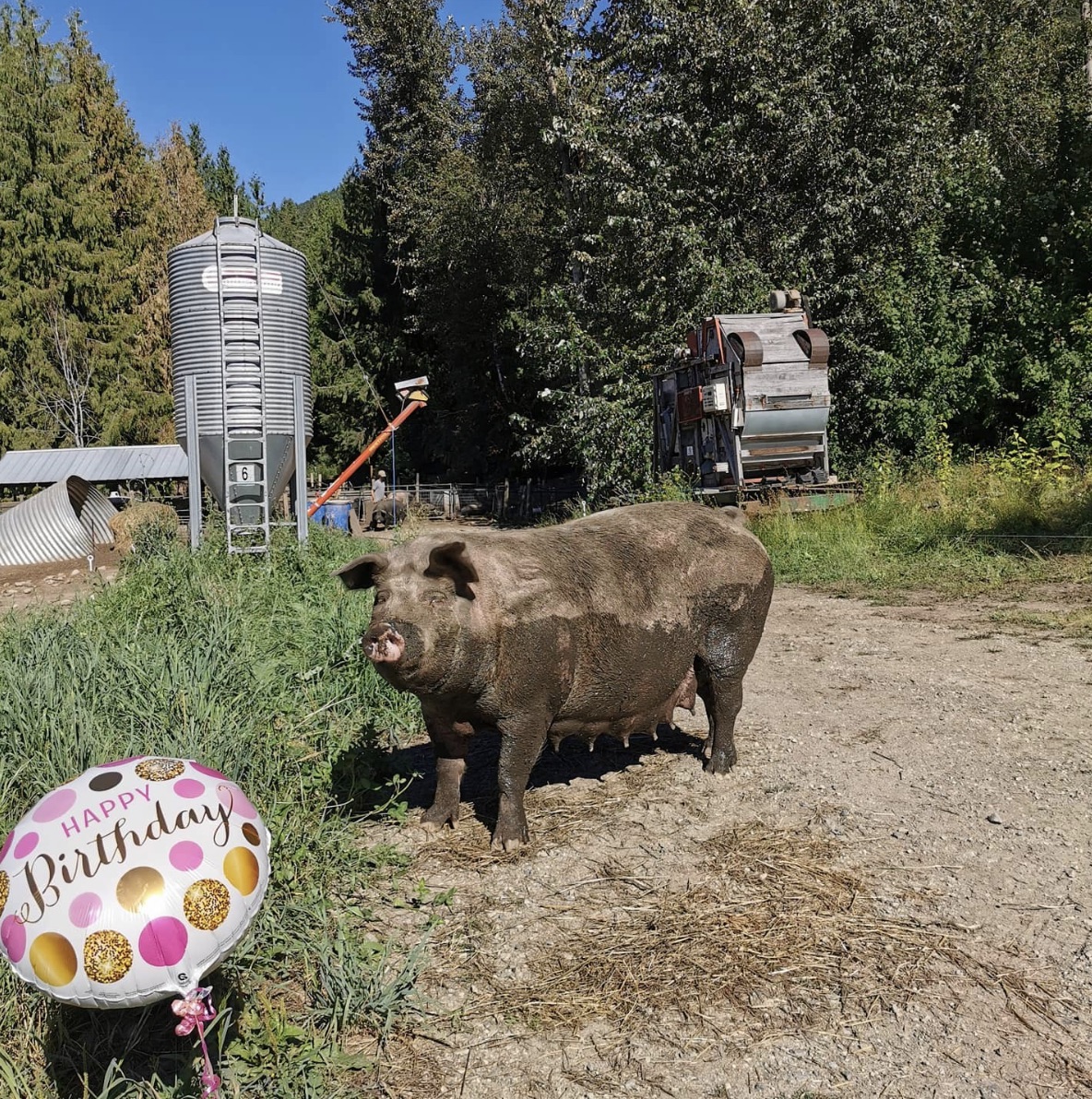
Moving sows, new pasture, and a not-quite birthday
Some days on the farm feel almost symbolic. Today we moved a group of pregnant sows onto fresh pasture, giving them space, shade, and clean ground as they settled in for the final stretch before farrowing. Rotating pigs onto new ground is an important part of how we care for soil health and animal well-being, especially for expectant mothers. Etta and Finley came along to help, and where Etta went, so did the balloon she had proudly picked out for her own birthday a few days earlier. The balloon tagged along all afternoon, bobbing beside tractors, feed bins, and pigs,…
-
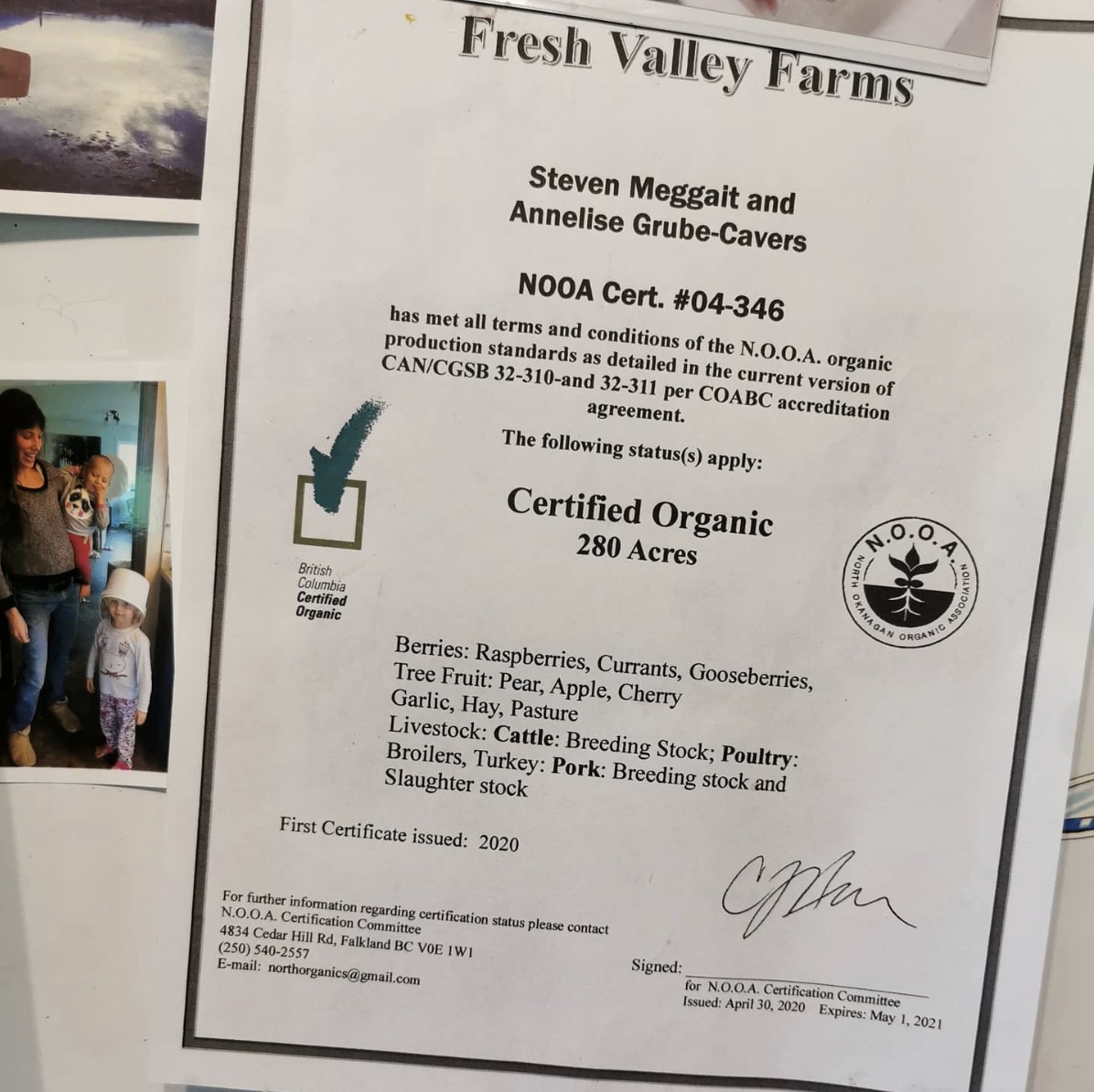
Fresh Valley Farms is officially Certified organic!
Affixed to our fridge in a place of great honour! Our first Certified Organic certificate from the North Okanagan Organic Association. We’re stoked to officially be a part of the growing community of organic farms in our area. What our Certified Organic status means Fresh Valley Farms is a Certified Organic farm under the North Okanagan Organic Association. That means an independent, third-party certifier has inspected our land, animals, and records and confirmed that we meet Canada’s national organic standards. Our certification covers 280 acres of the farm, including: What organic certification requires Organic certification is not a label we…
-

Where to get good meat is obvious, but where should you go for veggies?
Wherever you are in the Okanagan there are local veggies (and fruits and berries) just around the corner! Read on to hear the goods on the greens in these turbulent times when many of us would like to avoid shopping more than necessary. Vegetable Farms in the Okanagan There are lots of farms in the Okanagan and we are just listing a few of our favourites based on where they are and how tasty their veggies are! All of the farms listed here are certified organic with the North Okanagan Organic Association, same as our farm! From North to South:…